


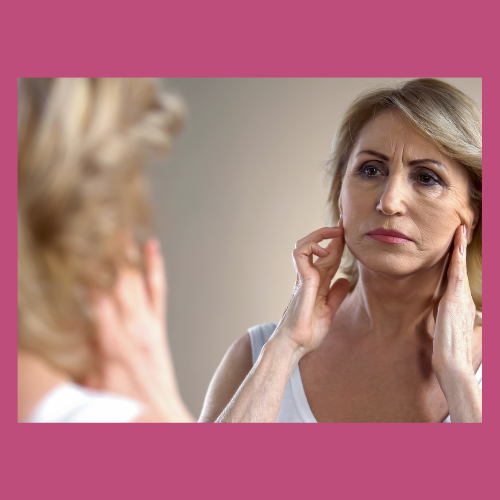
Facial ageing is a natural process that affects individuals across all demographics. It results from a combination of intrinsic factors, such as genetics and biological changes, and extrinsic influences, including environmental exposure and lifestyle choices. Recognizing the mechanisms behind facial ageing is essential for developing effective strategies to maintain a youthful appearance and overall skin health.
The Biological Basis of Facial Ageing
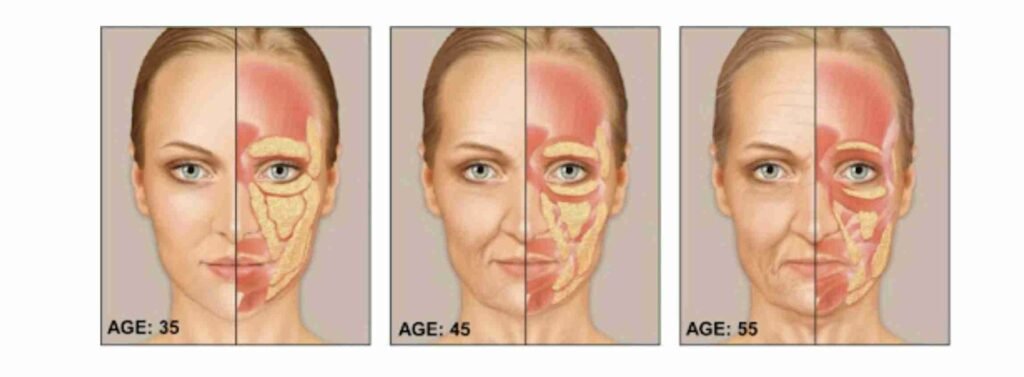
As the body ages, there is a gradual decline in collagen and elastin production—proteins responsible for maintaining skin firmness and elasticity. This reduction leads to sagging skin, the formation of fine lines, and wrinkles. Additionally, fat pads beneath the skin diminish or shift, contributing to hollowed cheeks and sagging jowls. Bone density also decreases over time, affecting facial structure and contour.
External Factors Contributing to Ageing
Environmental elements significantly influence the rate of facial ageing. Ultraviolet (UV) radiation from sun exposure accelerates skin damage by breaking down collagen fibers and inducing oxidative stress. Pollution, smoking, and exposure to harsh weather conditions further exacerbate skin deterioration. Lifestyle choices such as poor nutrition, inadequate hydration, and high stress levels can also impair skin regeneration.
Strategies to Combat Facial Ageing
While ageing is inevitable, several measures can mitigate its visible effects:
- Sun Protection: Regular use of broad-spectrum sunscreens helps prevent UV-induced skin damage.
- Skincare Regimen: Incorporating products with antioxidants, retinoids, and hyaluronic acid can promote collagen synthesis and improve skin hydration.
- Healthy Lifestyle: Maintaining a balanced diet rich in vitamins and minerals supports skin health. Adequate hydration and regular exercise enhance circulation and nutrient delivery.
- Professional Treatments: Procedures such as chemical peels, microdermabrasion, laser therapy, and injectables like Botox or dermal fillers can effectively reduce wrinkles and restore volume.
- Adequate Sleep: Ensuring sufficient rest allows the skin to repair itself naturally.
Conclusion
Understanding the complex interplay of internal and external factors involved in facial ageing enables individuals to adopt proactive measures for skincare and overall health. While age-related changes are inevitable, a consistent approach combining protective habits, proper skincare, healthy living, and professional interventions can significantly delay visible signs of ageing and promote a more youthful appearance.
Book an Appointment Learn More about the FACIAL AGEING TRIANGLE →
